
The Hidden Factors Driving the Housing Market in Today's Economy
Everyone's talking about interest rates and inventory levels when discussing today's housing market. But here's the thing - those surface-level indicators only tell part of the story. Beneath the headlines, a complex web of hidden factors is fundamentally reshaping how Americans buy, sell, and live in homes.
As a mortgage loan officer working across Georgia, Florida, and Tennessee, I'm seeing firsthand how these lesser-known forces are creating opportunities and challenges that most buyers and sellers don't even realize exist. Let's pull back the curtain on what's REALLY driving the housing market in 2026.
The Great Demographic Shift Nobody's Talking About

First-time homebuyers have virtually disappeared from the market. We're seeing just 21% first-time buyer participation compared to the historical average of 40%, according to Reventure App. This isn't just about affordability - it's a fundamental shift in how younger Americans approach homeownership.
Millennials and Gen Z are dealing with competing financial pressures that previous generations never faced at this scale. High rent costs, skyrocketing childcare expenses, and persistent student loan debt are creating a perfect storm that delays homeownership by years, not months.
But here's what's interesting: when these buyers do enter the market, they're bringing different expectations. They want move-in ready homes in walkable communities with strong internet infrastructure for remote work. This demand pattern is creating winners and losers in specific neighborhoods and property types.
The Remote Work Migration Tsunami
The work-from-home revolution isn't slowing down - it's accelerating and reshaping entire regional housing markets. According to data from Mortgage News Daily, we're seeing sustained migration patterns that are creating boom and bust cycles in unexpected places.
In our coverage areas, the impact is dramatic:
Georgia: Metro Atlanta is experiencing an influx of remote workers from high-cost states, driving demand in suburbs like Alpharetta and Roswell
Florida: Tampa Bay and Jacksonville are seeing unprecedented growth from New York and California remote workers seeking lower taxes and housing costs
Tennessee: Nashville's tech scene combined with no state income tax is creating a magnet effect for remote professionals
This migration is creating a two-speed housing market - explosive growth in destination markets and stagnation in departure markets.
Institutional Investors: The Silent Market Makers
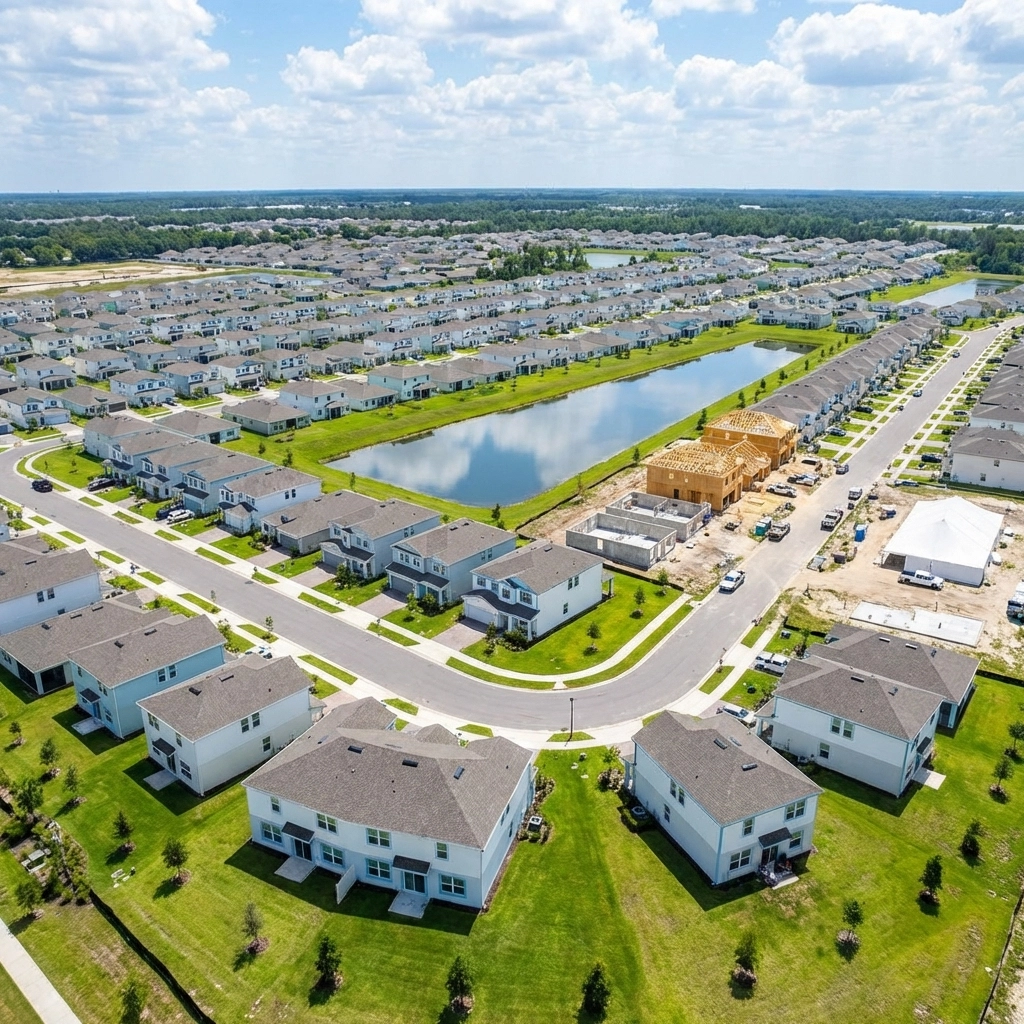
Wall Street didn't leave the housing market after 2008 - it evolved. Today's institutional investment in single-family homes is more sophisticated and harder to track than the obvious bulk purchases of the early 2010s.
These investors are now focusing on build-to-rent communities and strategic acquisitions in high-growth suburban areas. In markets like Atlanta, Tampa, and Nashville, institutional buyers are accounting for 15-20% of home purchases in certain zip codes, fundamentally altering supply dynamics.
The impact on regular buyers? Increased competition, faster sales processes, and upward pressure on prices - especially in the $250,000-$400,000 range where investment returns are most attractive.
The Hidden Costs Crisis
Homeownership costs have exploded beyond just mortgage payments. Insurance premiums have skyrocketed due to climate risks, and utility costs are climbing dramatically due to data center expansion and AI infrastructure demands.
According to recent analysis, hidden ownership costs have increased by an average of $16,000 annually since pre-pandemic levels. This includes:
Insurance: Hurricane risk in Florida, severe weather in Tennessee, and general liability increases across all markets
Utilities: Energy grid strain from tech infrastructure
Maintenance: Labor shortages driving up repair and renovation costs
HOA fees: Community amenities and insurance driving association costs higher
Climate Migration: The New Real Estate Reality

Americans are quietly voting with their feet on climate risk, and it's reshaping regional housing demand in ways that won't show up in traditional market reports for years.
Florida is experiencing a complex dynamic - continued population growth from northern states, but selective avoidance of high-risk coastal areas. Tennessee is benefiting from climate refugees seeking lower natural disaster risk. Georgia sits in a sweet spot with moderate climate risk and strong economic fundamentals.
This climate-driven migration is creating micro-market dynamics where identical homes just miles apart can have vastly different appreciation potential based on flood zones, wildfire risk, or hurricane vulnerability.
The Builder Constraint Reality
The construction industry is operating under constraints that go far beyond material costs. Labor shortages, regulatory delays, and land availability issues are creating a structural supply deficit that can't be solved quickly.
In our regional markets:
Georgia: Skilled construction labor shortage of approximately 15,000 workers
Florida: Hurricane-related building code changes adding 6-12 months to construction timelines
Tennessee: Rapid growth outpacing infrastructure development, creating utility connection delays
These constraints mean that even if demand normalized tomorrow, supply would take 3-5 years to catch up in most markets.
The Lock-In Effect: Why Sellers Aren't Selling
Here's a hidden factor that's HUGE: homeowners with mortgages under 4% are essentially locked into their current homes. Unlike previous market cycles where economic stress forced distressed sales, today's homeowners have strong equity positions and low payment obligations.
The result? Sellers can simply withdraw from the market rather than accept unfavorable prices. This seller behavior is preventing the typical price corrections that follow weak buyer demand, creating a new type of market dynamic we haven't seen before.
Regional Market Dynamics: Georgia, Florida, Tennessee

Each of our primary markets is experiencing unique combinations of these hidden factors:
Georgia benefits from permissive zoning policies and strong job growth, but faces pressure from climate migration and institutional investment. The state's diverse economy and moderate housing costs make it attractive to both remote workers and traditional relocations.
Florida's market is the most complex - explosive growth in some areas, climate risk concerns in others, and significant institutional investment throughout. Insurance costs are becoming a major factor in purchase decisions.
Tennessee's market is experiencing rapid transformation due to no state income tax, moderate climate risk, and growing tech presence. Infrastructure development is struggling to keep pace with population growth.
What This Means for Today's Buyers and Sellers
Understanding these hidden factors is crucial for making smart real estate decisions in 2026. Traditional market timing strategies don't work when demographic shifts, climate migration, and institutional investment are reshaping fundamental supply and demand patterns.
For buyers, this means focusing on long-term trends rather than short-term rate movements. For sellers, it means understanding your specific micro-market dynamics rather than relying on broad market generalizations.
Ready to Navigate Today's Complex Market?
These hidden market forces create both challenges and opportunities - but only for those who understand how to navigate them. Whether you're a first-time buyer trying to break into the market, a seller wondering about timing, or an investor looking for the next growth opportunity, having an experienced guide makes all the difference.
At Turner Mortgage Team, we track these market dynamics daily across Georgia, Florida, and Tennessee. We help clients understand not just what's happening in today's market, but WHY it's happening and what it means for their specific situation.
Ready to discuss how these hidden factors impact your real estate goals? Book a call and let's create a strategy that works in today's unique market environment.
Market data and analysis sourced from Reventure App and Mortgage News Daily. Turner Mortgage Team NMLS #2340620. Brett Turner NMLS #2340621. This article is for informational purposes only and does not constitute financial advice.


