
How Much House Can I Afford in Georgia? (Free Calculator + 2026 Guidelines)

Thinking about buying a home in Georgia but not sure how much house you can actually afford? You're definitely not alone!
With Georgia's diverse housing markets: from Atlanta's bustling metro to the charming coastal areas of Savannah: figuring out your budget is the first and most important step in your home buying journey.
The good news? Georgia's housing market is roughly as affordable as the national average, with residents typically spending about 19% of their income on housing costs compared to the national average of 20%. But knowing the state average doesn't tell you what YOU can afford, so let's dive into the specifics.
The Basic Affordability Formula Every Georgia Buyer Should Know
Most lenders use what's called the36/43 rule to determine how much house you can afford:
Your monthly mortgage payment (including principal, interest, taxes, and insurance) shouldn't exceed 36% of your gross monthly income
Your total monthly debt (mortgage payment plus credit cards, car loans, student loans, etc.) shouldn't exceed 43% of your gross monthly income
Here's how this breaks down with real numbers for Georgia buyers:
If you make $60,000 per year ($5,000/month):
Maximum monthly mortgage payment: $1,800
You could likely afford a home around $350,000-$380,000 (depending on down payment and interest rates)
If you make $80,000 per year ($6,667/month):
Maximum monthly mortgage payment: $2,400
You could likely afford a home around $475,000-$500,000
If you make $100,000 per year ($8,333/month):
Maximum monthly mortgage payment: $3,000
You could likely afford a home around $600,000-$625,000
Georgia-Specific Factors That Impact Your Affordability
Property Taxes Across Georgia Counties
Georgia's property taxes vary significantly by county, and this directly impacts how much house you can afford. Here are some examples:
Fulton County(Atlanta): Average effective rate of 0.84%
DeKalb County: Average effective rate of 0.85%
Gwinnett County: Average effective rate of 0.77%
Cobb County: Average effective rate of 0.67%
Richmond County(Augusta): Average effective rate of 0.56%
What this means for you:
On a $300,000 home, your annual property taxes could range from $1,680 in Richmond County to $2,550 in DeKalb County. That's a difference of $72 per month in your housing payment!
Homeowners Insurance Considerations
Georgia homeowners typically pay around $1,400-$1,800 annually for homeowners insurance, but this can vary based on:
Location(coastal areas pay more due to hurricane risk)
Home age and construction type
Coverage levels and deductibles
Claims history in your area
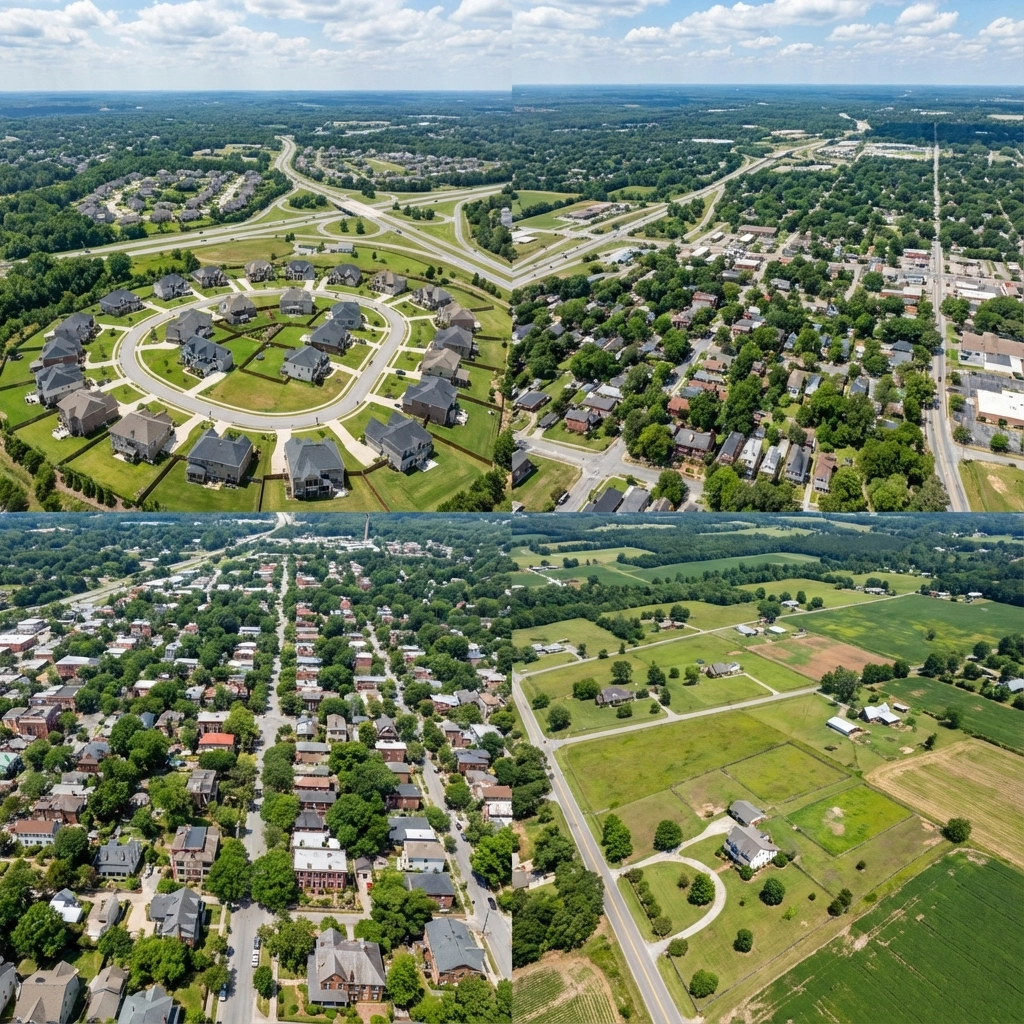
Georgia's Unique Housing Markets
Your affordability stretches differently depending on where you're buying:
Atlanta Metro: Higher prices but more job opportunities
Savannah: Moderate prices with tourism-driven economy
Augusta: More affordable with stable employment
Columbus: Very affordable for first-time buyers
Coastal Areas: Higher insurance costs but potential rental income opportunities
Down Payment Assistance: Georgia's Secret Weapon for Affordability
This is where Georgia really shines! The state offers several programs that can dramatically improve your affordability:
Georgia Dream Homeownership Program
Down payment assistance up to $12,500
Interest rate reduction of up to 0.5%
Available for first-time homebuyers and repeat buyers in targeted areas
Can be combined with FHA, VA, USDA, and conventional loans
Georgia Peach Advantage
2% or 3% down payment assistance
No monthly payment on the assistance (0% interest)
Only repaid when you sell, refinance, or pay off your primary mortgage
Real Example:
If you're buying a $250,000 home with Georgia Dream assistance:
Without assistance: Need $12,500 down (5% FHA)
With Georgia Dream: Need as little as $0 down
How Different Loan Programs Affect Your Affordability
FHA Loans (Popular Choice for Georgia First-Time Buyers)
Down payment: As low as 3.5%
Credit score: Minimum 580 with 3.5% down, 500 with 10% down
Mortgage insurance: Required, but can be removed after reaching 78% loan-to-value
Affordability impact: Lower down payment means you can afford more house with less cash
VA Loans (Excellent for Georgia Military Families)
Down payment: $0
No PMI: Saves $100-$300/month compared to other loan types
Credit score: No official minimum (most lenders want 620+)
Affordability impact: No down payment + no PMI = significantly more house for your budget
USDA Loans (Perfect for Rural Georgia)
Down payment: $0
Income limits: Must not exceed 115% of area median income
Location requirements: Property must be in USDA-eligible rural areas
Affordability impact: Zero down payment in eligible areas means maximum buying power
Conventional Loans
Down payment: As low as 3%
Credit score: Typically 620+ for best rates
PMI: Can be removed at 80% loan-to-value
Affordability impact: Lower PMI costs than FHA on higher credit scores
Free Tools to Calculate Your Georgia Home Affordability
Here are the best free calculators to help you determine your buying power:
Turner Mortgage Team's MyHomeIQ Calculator- Specifically calibrated for Georgia markets
Zillow's Affordability Calculator- Includes Georgia tax and insurance estimates
Redfin's Home Affordability Tool- Real-time market data integration
Smart Asset's Calculator- Comprehensive debt-to-income analysis
Pro Tip:
Use multiple calculators and compare results. Each tool weighs factors slightly differently, so you'll get a good range of your affordability.

Step-by-Step: Determining Your Georgia Home Budget
Step 1: Calculate Your Maximum Monthly Payment
Take your gross monthly income
Multiply by 0.36 (36%)
Subtract estimated taxes and insurance for your target area
Step 2: Factor in Your Down Payment Options
Conventional: 3-20% down
FHA: 3.5% down
VA: $0 down
USDA: $0 down (eligible areas)
Georgia Dream: Up to $12,500 assistance
Step 3: Consider Your Total Monthly Debts
Car payments
Student loans
Credit card minimum payments
Other recurring debt
Ensure total debt stays under 43% of gross income
Step 4: Account for Georgia-Specific Costs
Property taxes for your target county
Homeowners insurance (higher in coastal areas)
HOA fees (common in many Georgia communities)
Utility costs (Georgia Power, natural gas, water)
Common Affordability Mistakes Georgia Buyers Make
Mistake #1:
Only looking at the purchase price and forgetting about closing costs
Solution:
Budget 2-5% of purchase price for closing costs
Mistake #2:
Not factoring in Georgia's varying property tax rates
Solution:
Research specific county tax rates before house hunting
Mistake #3:
Forgetting about maintenance and repairs
Solution:
Budget 1-3% of home value annually for upkeep
Mistake #4:
Not exploring Georgia's down payment assistance programs
Solution:
Meet with a Georgia mortgage expert to review all available programs
When to Get Pre-Approved vs. Pre-Qualified
Pre-Qualification(Quick estimate):
Basic income and debt review
No documentation required
Gives you a rough idea of affordability
Pre-Approval(Serious shopping):
Full financial review with documentation
Credit check performed
Specific loan amount approved
Required for competitive Georgia markets like Atlanta
Ready to Take the Next Step?
Figuring out how much house you can afford in Georgia doesn't have to be overwhelming. With the right guidance and tools, you can confidently determine your budget and start shopping for your dream home.
The most accurate way to determine your affordability? Work with a Georgia mortgage expert who understands local markets, down payment assistance programs, and can help you optimize your loan choice for maximum buying power.
At Turner Mortgage Team, we specialize in helping Georgia buyers navigate everything from FHA loans to the Georgia Dream program. We'll help you calculate exactly how much house you can afford and create a strategy to get you the keys to your new home.
Ready to get started? Contact us today for a free consultation, or book a call to discuss your specific situation. Let's turn your Georgia homeownership dreams into reality!


